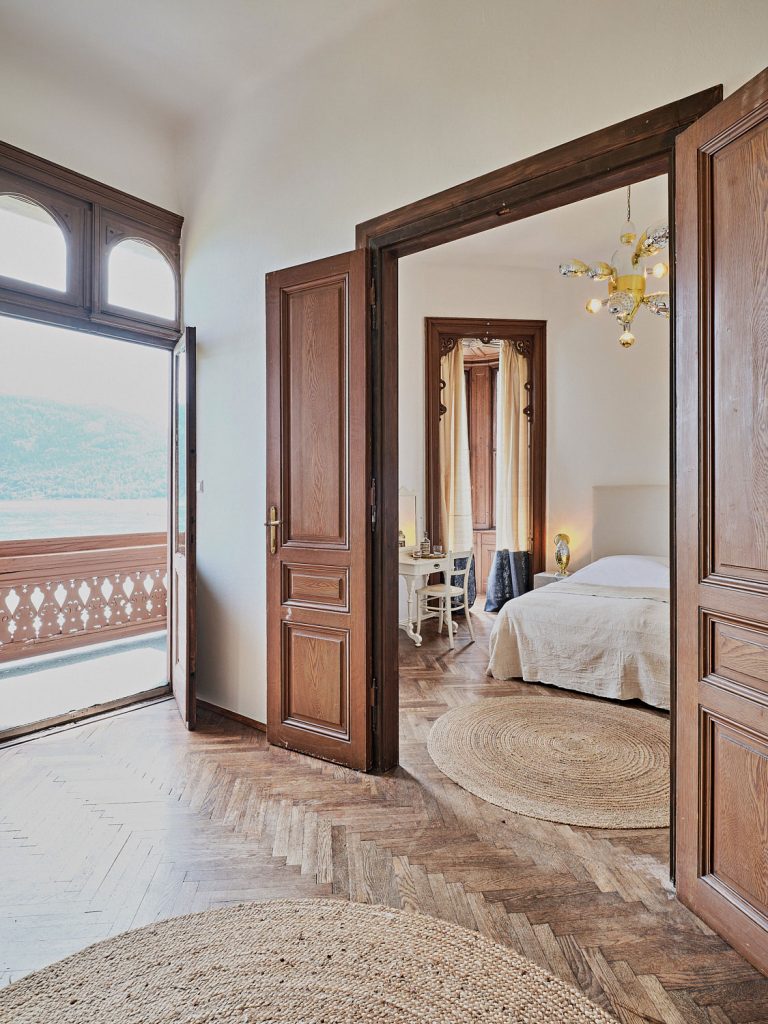
Room 1

The History of Villa Miralago ... "The Place Where Time Stood Still"

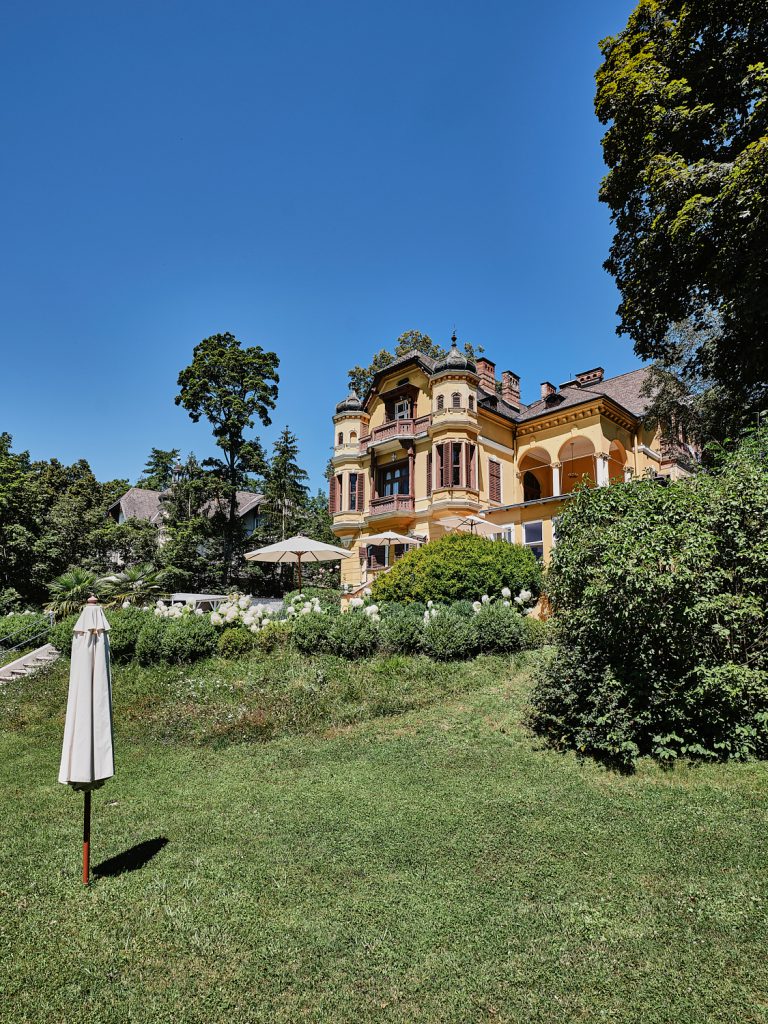
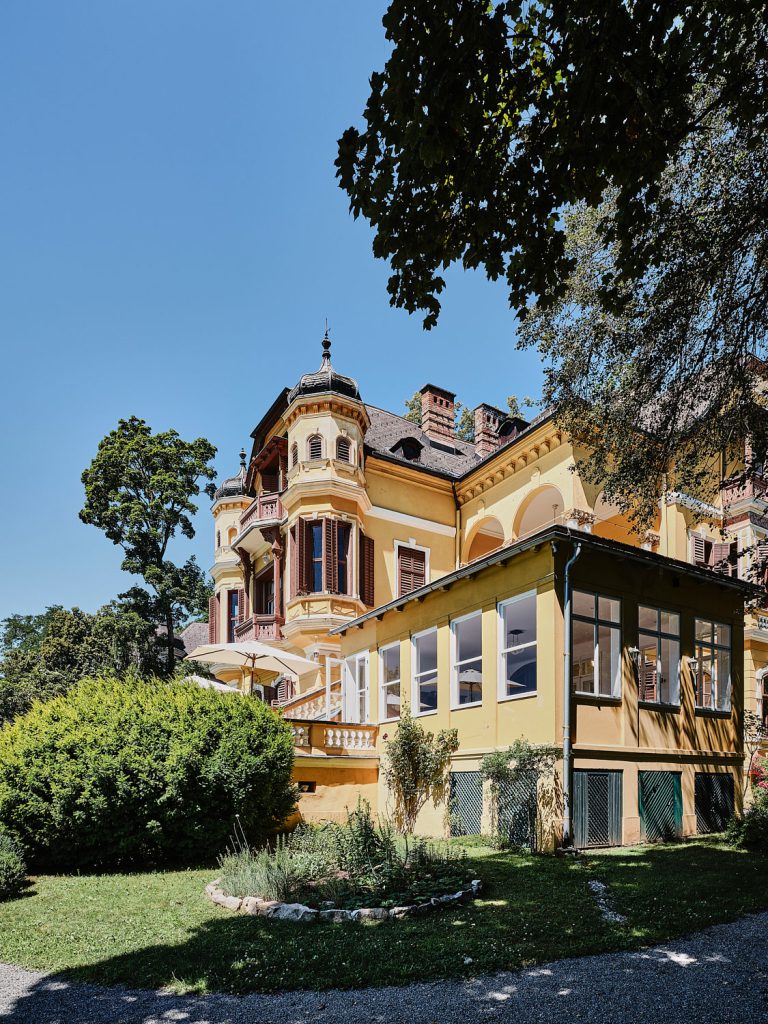
At 132 years old, Villa Miralago is a haven of history and stories—a true gem. It is one of only two villas of its kind still accessible on Lake Wörthersee, and the last one preserved in its original state.

This is a small excerpt from its history:

The Belle Époque of the Summer Retreat

In 1886, the architect Carl Langhammer was commissioned by a Viennese industrialist to look for two plots of land on Lake Wörthersee. At the time, such plots were still plentiful and affordable, as they held little value for the local farmers and landowners in Pörtschach. They were so-called “sour meadows”—wet, low in nutrients, and unprotected.

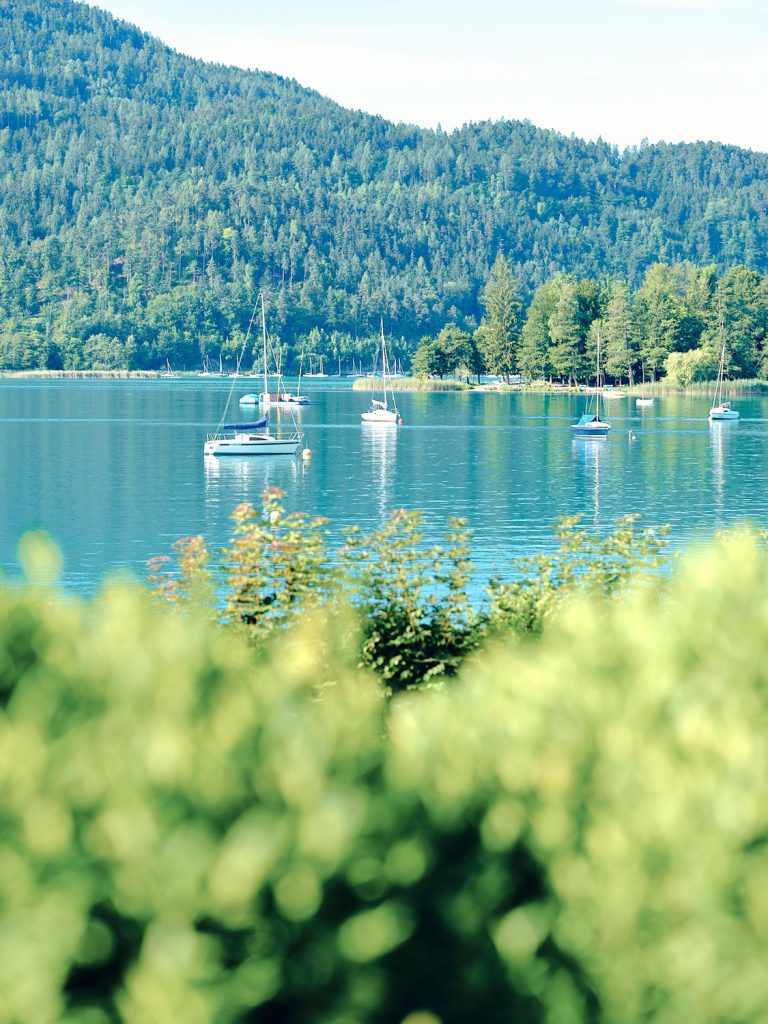
The in-house architect for the industrialist brothers Ludwig & Anton Urban believed he had free rein in selecting the building site—until a list of requirements arrived and the challenge grew. The siblings wanted something directly on the lake and peaceful, sheltered from wind, weather, and people. The view had to be unobstructed and multifaceted. There were to be no direct neighbors and ideally a stunning panoramic view to the south, best of all at the widest part of Lake Wörthersee.

“I have found the quietest bay on the lake,” the architect enthused—an outstanding location with no opposite shoreline. At this point, the lake is truly 1.5 kilometers wide. Only these two plots could fulfill all the demanding criteria in the long term.
So, Ludwig Urban Sr. followed Langhammer’s recommendation and, in 1887, purchased the two adjacent building plots on the eastern bay of Pörtschach for himself and his younger brother Anton.

Over the next three years, Langhammer meticulously observed the sun and moon’s position, studied view lines, weather patterns, and water levels. His goal: to create something truly special for his first lake villa. He envisioned it as delicate and playful, artistic and dreamlike. From 1887 to 1889, he refined his plans. In the spring of 1889, construction began. The villa, originally named “Lugg in See” or Villa Urban, was completed in 1893.

Yet just fifteen years later, Ludwig Urban, who had poured so much joy and energy into this lavish home, sold it. The reason was never recorded. Today, his great-great-grandchildren still lament the loss.

The second owner also held the villa—then still known as “Lugg in See”—for only fifteen years. His granddaughter visited the house in 2021. The Urban family was a successful entrepreneurial family from Vienna. Brands still known today include 'Jolly' colored pencils or DKT - The Business Talent.

In the early 1920s, the first member of the villa’s current owning family acquired the estate. Dr. Bruno John (formerly “Ritter von John” under the Austro-Hungarian Empire) and his wife Berta purchased the villa in 1923.
Dr. John, a lawyer with offices in Vienna, Brno, and Leipzig, originally lived near Brno and owned extensive lands there. But during the politically and economically motivated Czechoslovak land reform between 1919 and 1927, most of his property was confiscated and transferred to the state. Forced to leave Czechoslovakia, he sought refuge in his wife’s hometown.

The couple moved into an apartment in Vienna’s 6th district and began searching for a suitable summer retreat. When Bruno and Berta visited the Villa Lugg in See, then for sale, they needed no convincing. They knew they had found their place—one for their family and their future retirement.
With help from Berta’s sister and brother-in-law, the house was refreshed and transformed into a guesthouse. The first guestbook dates back to 1927. From 1929 to 1944, the villa operated as a small “Hotel Garni.”

Between Expropriation and Elegance

After World War II, the British Army requisitioned the home, using it as a headquarters for tanks and trucks. Nearby, Villa Seefried served as the command building. In the early 1950s, Villa Lugg in See was returned to its rightful owners, but its restoration was arduous. Military use had left deep scars—compacted soil, craters, oil spills, and damaged old-growth trees. No photographs exist of this time, but Mrs. John’s stories paint a vivid picture.

To create more space for guests, part of the terrace was sacrificed in 1953, and a new room was added to the building. Today, this room serves as the breakfast space, featuring large windows facing north, south, and east with unobstructed lake views. The southern-facing windows were designed in the English sash style.

This was the era when post-war Europe finally began to breathe again. Tourism flourished. Celebrities, aristocrats, and jet-setters flocked to Lake Wörth, drawn by its renewed grandeur. Some found a quiet refuge in the secluded yellow villa, whose discretion was—and still is—highly valued.

Mrs. John, recognizing the international appeal of the place, sought a new name for Villa Lugg in See—something understandable across languages, with a southern flair that still honored its origins.
Dr. John had once traveled extensively through Italy and North Africa in 1911, with stops in Pörtschach, Udine, and Trieste. His well-kept travel album includes photographs of Castello di Miramare, commissioned by Archduke Ferdinand Maximilian of Austria.
What could be more fitting than bringing the elegance of Miramare to the “Lago di Wörther”?
And so, the name Villa Miralago was born—practically a mirror of its original name. “Miralago,” after all, means nothing more than the dialect “Lugg in See” or, in plain German: “Look into the lake.”

The following years were joyful for the villa and its inhabitants. Berta and Bruno couldn't manage the vast estate alone. They received help—especially during the winters—from a family in Pörtschach that would be closely linked to Villa Miralago for decades. Mr. Rapatz Sr. served as caretaker from the early 1950s into the late ’70s. His children grew up here, and his daughter soon became the indispensable right hand of the strong-willed Mrs. John.

Many amusing stories remain from those times. One family ritual was the spring cleaning of the villa and garden. After two exhausting weeks of work, everyone would collapse on the terrace and proclaim, “Now everything’s sparkling... let’s hope no guests come!”

The annual Pörtschach fair was another highlight. On at least one occasion, a celebrant mistook a shot glass for a sausage while toasting. Long-time guests still recall with laughter how, during one season, the entire Formula 1 entourage—from Senna to Lauda—booked the villa, and others were diplomatically “bribed” with wine to relocate to the basement.

Berta John ran the villa with love, firmness, and success—until the age of 92. Childless due to unfortunate circumstances, she left the house to her only heir. She passed away in 1994 in Vienna, aged 95.

Once again, it was time for the family to step in. The new heiress and her husband modernized water and electrical systems, restored several areas, and renovated the bathrooms. Since the heiress was only 18 years younger than Mrs. John, she preferred to prepare the home for a younger generation.
So, the villa was leased to the son of one of the employees. In 1994, the Semmelrock-Werzer family moved into the venerable estate—bringing with them children who revived the house with laughter and life. Guests fondly remember the cheerful atmosphere and barbecue evenings in the garden.

The Villa Miralago in the New Century

In 2004, the villa passed to the daughter of the owner, and was again leased—this time to architect Dipl.-Ing. Kircher. The lease ran until the end of 2020, a span of 25 years.

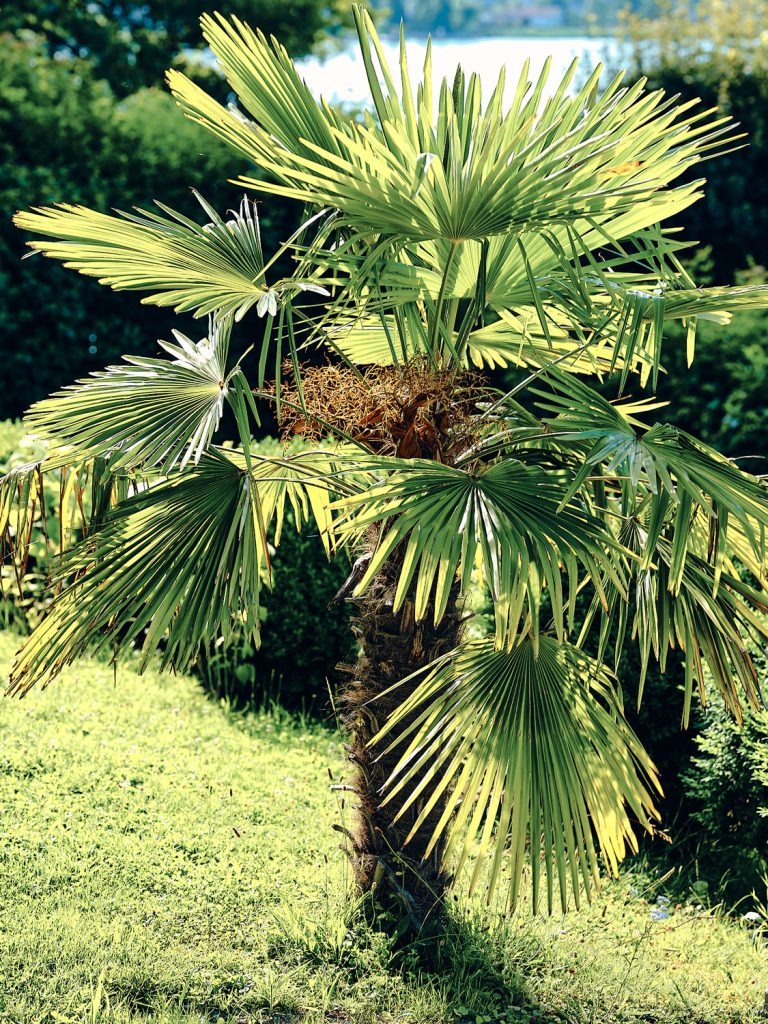
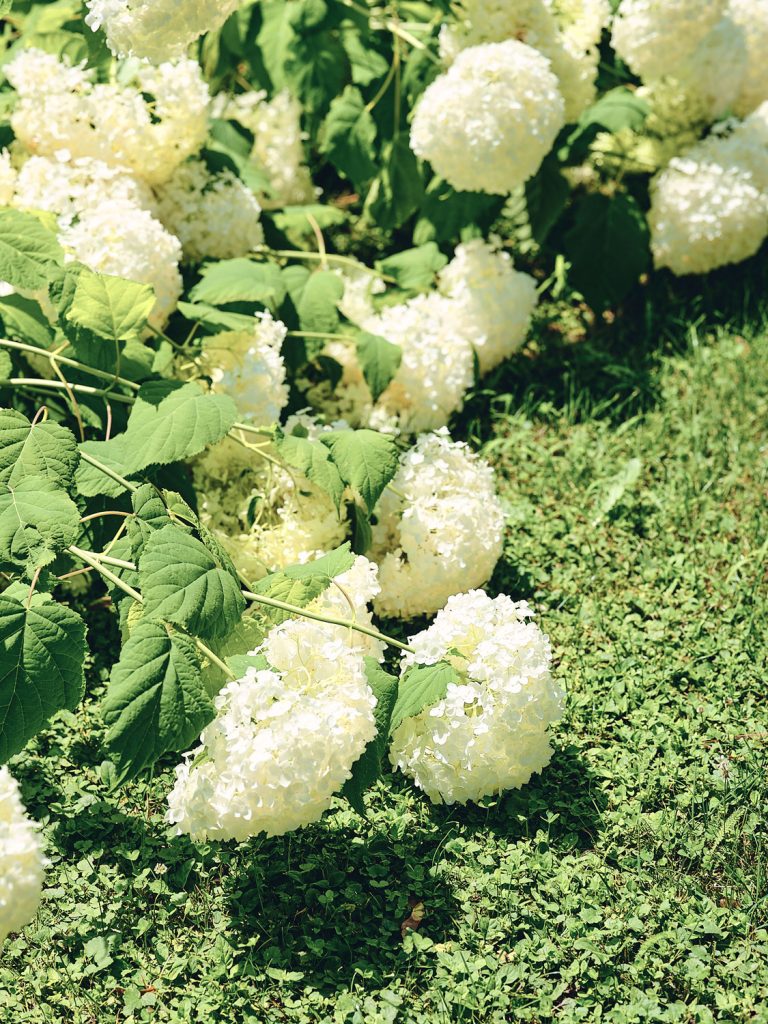
Since 2021, Villa Miralago has returned to the care of the family. Much has changed. More than 1,000 square meters of garden, previously used for parking and tents, have been restored. Around 1,350 plants have been added, including trees. The driveway and paths have been narrowed, improving the quality of life and reducing noise. Now, cars must drive at walking pace—a welcome deceleration that guests feel immediately.
The shoreline has been reclaimed and relieved of its burdens. The boathouse is undergoing professional restoration. The lake wall, from which a few stones had already disappeared, is being carefully repaired.

Each room is being lovingly renovated—18 rooms have already been “awakened,” with a few still waiting patiently. The antique furniture, present since the villa’s inception, is being carefully restored by the owners. Each piece is treated with care and respect. Entire sets have been refurbished and thoughtfully complemented with modern or period-appropriate antiques. Every room now has its own distinct character, telling its own charming story.
Villa Miralago is now in its fourth generation—and not the least bit dusty. This grand old lady continues to amaze and delight. Guests often say they don’t want to leave. Some describe it as if there’s an invisible wall separating Miralago from the outside world. They call it “the bubble,” or “the place where time stood still.”
The family understands this magic well. And so, they care for and preserve the Miralago with dedication and love. This place shall endure as one of the last of its kind—for the lake and its people, for lovers of art and architecture, and for anyone who still believes in dreaming.
Around Lake Wörth, there are many beautiful villas. Some are visible from the water, brightly lit at night. But at Villa Miralago, it is always softly dim in the evenings. She never sought attention. She has belonged to one family for 102 years, been a hotel and a beloved home for 98 of them. To each generation, Villa Miralago has never been a commercial property or investment—always something more. Just as it was for Bruno and Berta John: A haven of love, tranquility, passion, and devotion—one worth protecting.
Because this house holds an eternal sparkle. It shines from within.

#miralagomoments